
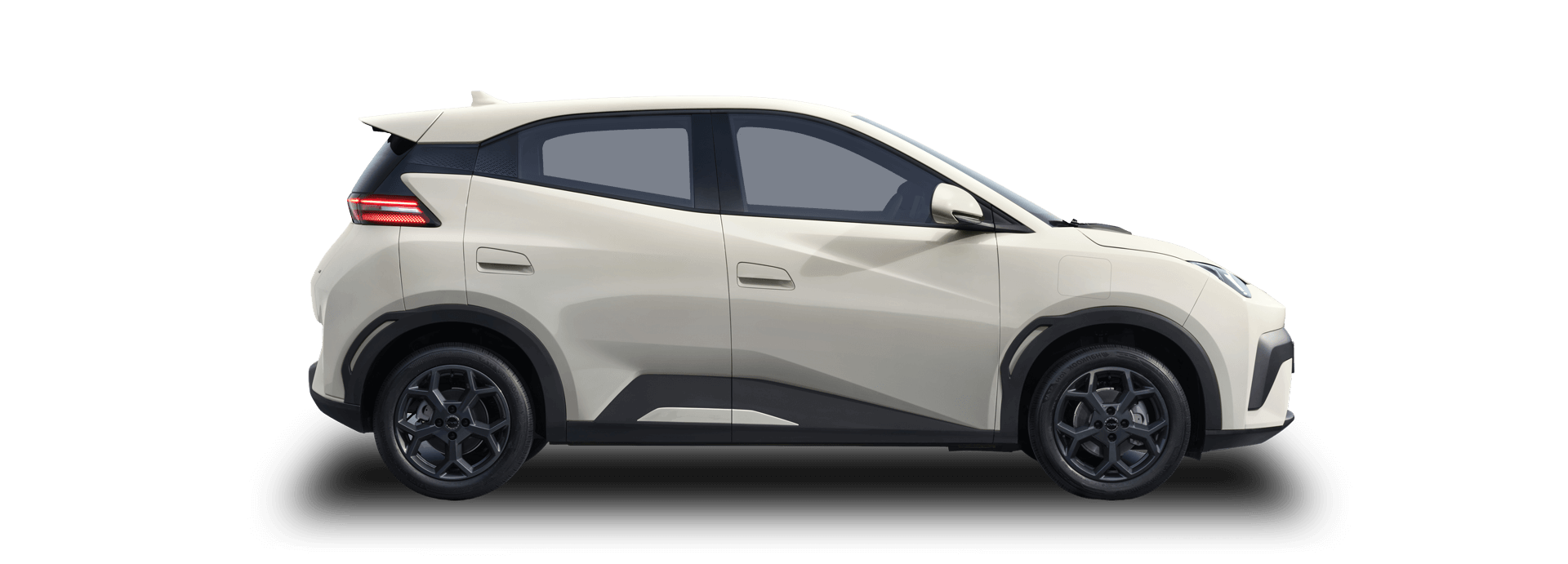
Electric car prices in Kenya now cover a much wider range than many buyers expect. Compact urban cars, family SUVs, seven-seat MPVs, pickups and premium models are all available—but two prices that look similar online may include very different things.
By SafiVolt · Updated 22 September 2026 · Prices are guide figures and availability changes.
Quick answer: how much is an electric car in Kenya?
In SafiVolt’s current catalogue, new electric cars range from approximately KSh 2.38 million for the compact Henrey Xiaohu to more than KSh 16 million for luxury electric MPVs. Selected imported used EVs currently begin near KSh 2.06 million. These are guide prices for specific listings, not a promise that every variant or future shipment will cost the same.
For many buyers, the most active part of the new-EV market sits between roughly KSh 3.8 million and KSh 7 million. That band includes compact hatchbacks, city SUVs, sedans and several family-size crossovers. The useful question is not simply “what is the cheapest EV?” but “what is the complete delivered cost of an EV that fits my route, passengers and charging access?”
Electric cars under KSh 5 million
Current SafiVolt guide prices below KSh 5 million include the Henrey Xiaohu, MG4 EV, BYD Atto 1, Nammi Box, Forthing T1 Pro, Forthing Van G100, Nammi Vigo and GAC AION UT. The group spans mini cars, hatchbacks, compact SUVs and commercial vans, so price alone does not make them interchangeable.
A compact city car may be ideal for one or two commuters with secure overnight charging. A panel van may suit a business even if its range figure is lower than a passenger car. Compare the correct body style, right-hand-drive configuration, usable battery, charging inlet, warranty and payload before comparing price.
Electric cars from KSh 5 million to KSh 8 million
This range includes family-oriented models such as the BYD Dolphin, Atto 2, Atto 3, GAC AION Y Plus, Leapmotor C10, Forthing Friday EV and several imported used SUVs. Buyers usually gain more cabin space, battery capacity or equipment, but the exact variant remains important. A model name can cover several battery sizes, motor outputs and charging standards.
Ask for a written specification sheet tied to the chassis or order. It should identify the model year, trim, drive side, battery, AC charging rate, DC charging capability and connector. If a quotation says “from”, ask what changes the price and which configuration is actually available.
Why an overseas price is not a Kenya price
A vehicle advertised in another country may exclude ocean freight, insurance, Kenyan taxes and levies, port and clearing charges, inspection, registration, inland transport and dealer support. Currency movement can also change a quotation. Comparing that number with a delivered Kenya price creates a false saving.
The Kenya Revenue Authority’s current motor-vehicle import guidance lists import duty, excise duty, VAT, Import Declaration Fee and Railway Development Levy among the charges that may apply. Tax treatment depends on classification and the law in force when the vehicle is cleared. Obtain a current assessment for the exact vehicle rather than adding one flat percentage to a web price.
What a strong EV quotation should show
• The exact model, trim, model year, drive side and vehicle condition.
• Vehicle price, freight, insurance, taxes, levies, clearance and registration scope.
• Battery capacity, charging ports, supplied cable or charger, and written warranty.
• The handover location, expected timeline and items that can change before delivery.
• After-sales contact, service plan and how replacement parts will be obtained.
New or used: where is the better value?
A new EV usually offers clearer warranty coverage and a known history. A used EV can reduce the purchase price, but its value depends heavily on battery condition, previous use, charging compatibility and documentation. Ask for diagnostic evidence, not only the dashboard’s displayed range at full charge.
Used imports must also satisfy current KEBS requirements. Confirm the permitted age, right-hand-drive status, inspection route and documents before the vehicle ships. A low purchase price does not help if the vehicle cannot be cleared or supported.
How to choose within your budget
Start with daily distance, longest regular trip, passengers, luggage, road surface and parking. Then confirm where the car will charge for most of its energy. Only after that should you compare body style, battery and price. This sequence prevents paying for range you rarely use or buying a car that cannot recharge conveniently.
Browse SafiVolt’s current electric cars for exact guide prices, then request a model-specific quote. Prices and rules can change, so this page is a buying framework rather than a tax assessment or binding offer.
Continue your research
Browse new electric carsBrowse imported used electric carsAsk SafiVolt for a current quotationCLEAR ANSWERS
Frequently asked questions
What is the cheapest electric car in Kenya in 2026?
Among SafiVolt’s listings on 22 September 2026, the lowest new-EV guide price is approximately KSh 2.38 million for the Henrey Xiaohu, while selected imported used listings begin around KSh 2.06 million. Availability and delivered prices can change.
How much does a BYD electric car cost in Kenya?
Current SafiVolt guide prices range from about KSh 3.86 million for the BYD Atto 1 to more than KSh 16 million for a luxury DENZA D9. The exact trim, battery, freight and delivery scope determine the final quote.
Does the advertised EV price include import duty and registration?
It depends on the listing. Ask for a written breakdown that states whether freight, insurance, taxes, levies, clearance, registration and inland delivery are included.
Are used electric cars cheaper in Kenya?
Often, but the saving should be weighed against battery condition, warranty, age, inspection evidence, charging compatibility and support. Compare complete landed prices for specific vehicles.
Sources and further reading
Facts and rules were checked against the following official sources on 22 September 2026. Always confirm current requirements before a transaction.