
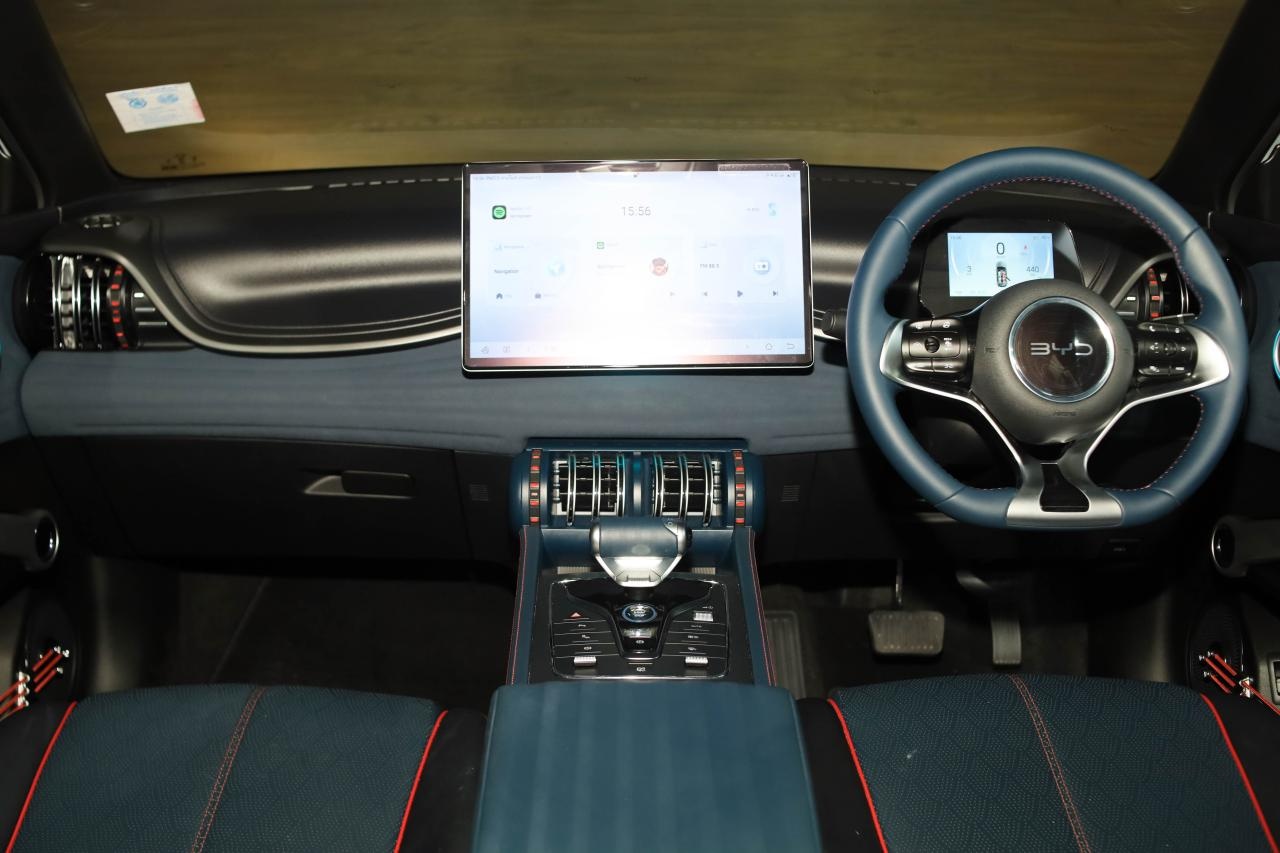
Importing an EV is not just buying a car abroad and paying shipping. The vehicle must be eligible for Kenya, its documents must agree, and the final cost must include customs, inspection, port, registration and delivery work.
By SafiVolt · Updated 22 September 2026 · Confirm every rate and requirement before shipment.
The short version
• Choose an eligible right-hand-drive vehicle and verify the exact model year and first registration date.
• Confirm KEBS inspection and conformity requirements before the vehicle leaves the export country.
• Obtain a current landed-cost estimate based on the exact vehicle and customs classification.
• Use a licensed clearing agent and keep the invoice, logbook, bill of lading and inspection certificate consistent.
• Confirm charging compatibility, warranty and parts support before paying the supplier.
What taxes apply to an electric car import?
KRA’s motor-vehicle import procedure currently lists 25% import duty. For a vehicle with only an electric motor for propulsion, the page lists 10% excise duty. It also lists 16% VAT, an Import Declaration Fee of 3.5% and a Railway Development Levy of 2%.
Those percentages are not all applied to the same number. Customs value, import duty, excise and VAT interact, and KRA may use its valuation framework rather than simply accepting a marketplace screenshot. Classification can also change the treatment. Ask a licensed clearing agent for a written estimate and confirm it again before shipping.
Tax law changes. KRA’s Finance Act 2026 guidance advises importers to confirm tariff classification and the applicable VAT, excise, IDF and RDL treatment. Do not treat an old social-media calculator as a customs assessment.
What does landed cost mean?
A useful landed-cost quote should state the vehicle cost, freight and insurance, estimated customs taxes and levies, inspection, port and clearing charges, agent fees and inland movement. It should also say whether registration, number plates, home delivery, charger hardware or installation are included.
Ask where the seller’s responsibility ends. “Landed at Mombasa”, “cleared in Kenya” and “delivered and registered in Nairobi” are different commercial promises. Put the handover point in writing.
KEBS eligibility and inspection
KRA states that imported vehicles must comply with KEBS requirements under the applicable verification-of-conformity rules and Kenya’s vehicle inspection standard. Used vehicles are subject to an age limit and right-hand-drive requirements, with limited exceptions.
KEBS publishes notices for used-vehicle importers, and the permitted first-registration cutoff changes as each calendar year advances. Verify the current notice for the arrival year before booking shipping. If the dates or vehicle documents are unclear, resolve that uncertainty before paying a deposit.
Documents commonly required
KRA’s current procedure lists the original commercial invoice, the cancelled original foreign logbook, original bill of lading, pre-shipment inspection certificate and the importer’s PIN certificate or company incorporation documents among the supporting records.
Names, chassis numbers, dates and vehicle descriptions should agree across all documents. Ask the clearing agent what must be original, what can be electronic and whether any additional permit is required for the exact transaction.
EV-specific checks before import
• Photograph the actual AC and DC charge inlets and identify the standards in writing.
• Confirm the exact battery capacity, diagnostic evidence and remaining warranty.
• Check the supplied charging cable or wall unit against the Kenyan site where it will be used.
• Verify right-hand-drive configuration from the vehicle itself, not a generic brochure.
• Identify service parts, tyre sizes, diagnostic access and after-sales responsibility.
A sensible import sequence
First shortlist the exact vehicle. Second, verify eligibility, battery evidence and charging. Third, obtain the complete landed quote and clearing scope. Fourth, review the sale agreement and documents. Only then should the vehicle ship. This order is slower than clicking “buy”, but much cheaper than discovering a compliance or charging problem at the port.
SafiVolt can help compare listed new and used EVs and prepare a model-specific quotation. Customs treatment, availability and exchange rates remain subject to confirmation for the final transaction.
Continue your research
See imported used EV listingsRead the used-EV inspection checklistRequest a model-specific landed quoteCLEAR ANSWERS
Frequently asked questions
What is the import duty on an electric car in Kenya in 2026?
KRA’s current motor-vehicle import procedure lists 25% import duty and 10% excise duty for vehicles with only an electric motor, plus VAT, IDF and RDL. The bases differ, and classification and current law determine the final assessment.
Can I import a left-hand-drive electric car into Kenya?
Kenya generally requires right-hand-drive vehicles, subject to narrow exceptions. Confirm eligibility with KEBS and your clearing agent before purchase or shipment.
How old can an imported used EV be?
Used imports are subject to Kenya’s age-limit rules. The permitted first-registration cutoff changes with the arrival year, so check the latest KEBS public notice before shipping.
What documents are needed to import an EV?
KRA lists documents including the commercial invoice, cancelled foreign logbook, bill of lading, pre-shipment inspection certificate and the importer’s PIN or company documents. Your agent should confirm the exact file for the transaction.
Sources and further reading
Facts and rules were checked against the following official sources on 22 September 2026. Always confirm current requirements before a transaction.