
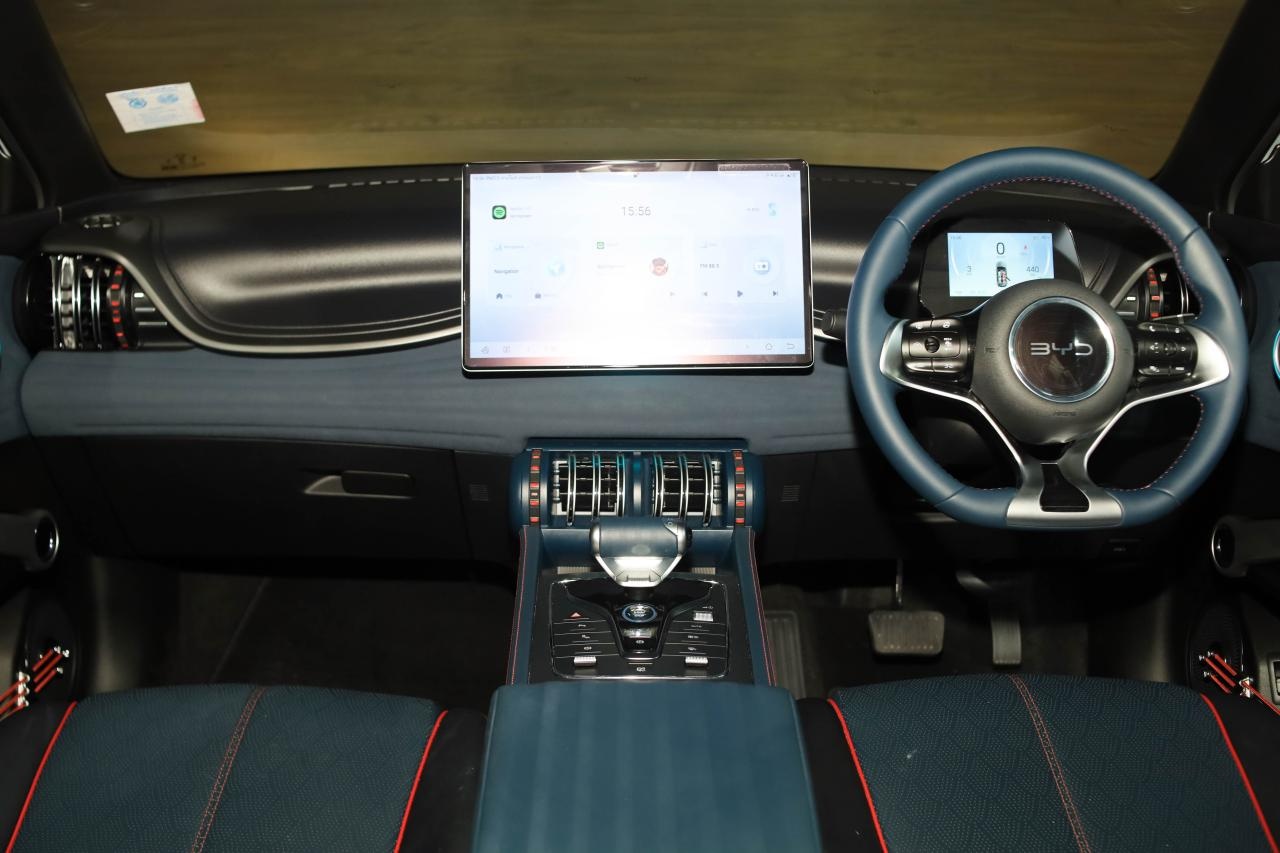
A tidy photo and a low odometer reading are only the beginning. Ask for evidence about the exact car before committing to an import.
By SafiVolt · Published 2 September 2026
In this guide
• Confirm the exact vehicle
• Ask for battery evidence, not just a percentage
• Test charging and normal functions
• Check the ordinary used-car basics
• Get the import scope in writing
• Verify warranty and after-sales arrangements
1. Confirm the exact vehicle
Ask for the VIN or chassis number, model and trim, registration and production details, odometer reading, battery variant and current location. Make sure the photographs, inspection report and quotation refer to the same car. Request recent, clear images of the exterior, interior, underbody and charging inlets.
If a listing offers several similar cars, establish which one you are reserving and what happens if it becomes unavailable. Do not treat “available to source” as “already in your destination market”. SafiVolt’s used vehicles are sourced for import; confirm the location and order status of the specific vehicle with us.
2. Ask for battery evidence, not just a percentage
Request a recent assessment from a qualified EV technician using appropriate diagnostic equipment. Ask what was tested, when it was tested, which vehicle it belongs to and what the results mean. If a state-of-health figure is supplied, ask how it was calculated and whether any limitations were recorded.
A screenshot showing 100% charge means the battery is charged to its current limit; it does not by itself establish its remaining capacity or condition. Pair diagnostic evidence with a physical inspection, fault history and a representative driving and charging test.
Have a qualified specialist investigate battery-case damage, evidence of flooding, warnings or unexplained repairs. Do not open the high-voltage battery or attempt repairs yourself. The Department of Energy’s maintenance and safety guide explains why high-voltage systems need appropriate care.
3. Test charging and normal functions
Ask for a demonstrated AC charging session and, if the car supports it, a compatible DC session. Request the starting battery level, duration, equipment used and any error messages. A single peak power reading is not a complete charging test.
Check the included cable, inlet condition and locking mechanism. Confirm compatibility with the charging setup you intend to use in your destination country. Our charging guide explains the questions to ask before buying equipment.
Also check air conditioning, lights, cameras, screens, door locks, keys and driver-assistance warnings. Ask whether account-linked services and software functions will work for you after handover, and which functions depend on a paid subscription or a particular market.
4. Check the ordinary used-car basics
An EV still needs an inspection of tyres, brakes, suspension, steering and body condition. Request accident, repair and service records and compare them with the odometer history. Ask the inspector to explain inconsistencies rather than accepting a general “good condition” label.
Keep the original report, dated photos and repair recommendations. A checklist helps you ask better questions, but it is not a substitute for an independent pre-purchase inspection. If a material question remains unanswered, resolve it before paying.
5. Get the import scope in writing
Ask for an itemised quote covering the vehicle, freight, insurance, applicable import charges, clearing, registration and any delivery beyond the agreed handover point. Have each item marked included, excluded or provisional. Request the exchange-rate assumption, quote validity and payment schedule.
Confirm whether handover is at Mombasa or somewhere else. Ask a qualified clearing professional to verify current import eligibility and the applicable charges for the exact vehicle before purchase. This article does not set tax rates or guarantee import approval.
A useful quote also says what happens if shipping changes, an inspection identifies a fault or the selected car is no longer available. Make sure those terms are agreed before the order is placed.
6. Verify warranty and after-sales arrangements
Ask who is responsible for warranty support, where work would be performed and which components are covered. Do not assume an overseas manufacturer warranty automatically transfers to an imported used car in your destination country. Get any promised cover, exclusions and claim process in writing.
Finally, ask about access to diagnostic support, replacement keys, routine parts and battery-related service. Compare the evidence and support package alongside the price.
Browse used EVs available to import through SafiVolt and request a vehicle-specific quotation . Use the same checklist for every candidate so your comparisons stay fair.
General educational information from SafiVolt. Technical sources are linked in the article. Model specifications, battery condition, charging access, costs and support must be confirmed for your own circumstances; this guide does not replace professional inspection or installation advice.
Keep exploring
Electric vs hybrid cars: a practical guide for East Africa
Understand electric, hybrid and plug-in hybrid cars, then choose around your daily driving, charging access and ownership needs across East Africa.
EV charging across East Africa: home charging, plugs and planning
Learn how to plan home and public EV charging across East Africa, check AC and DC connectors, and estimate charging time without confusing kW and kWh.
Electric car range across East Africa: plan beyond the brochure
Understand why electric car range varies, compare the right figures and plan East African journeys with a practical battery and charging reserve.
Bring us your real-world questions.
Your daily distance, parking space and longer trips are a good place to start. We’ll help you explore the right car and charging setup.