
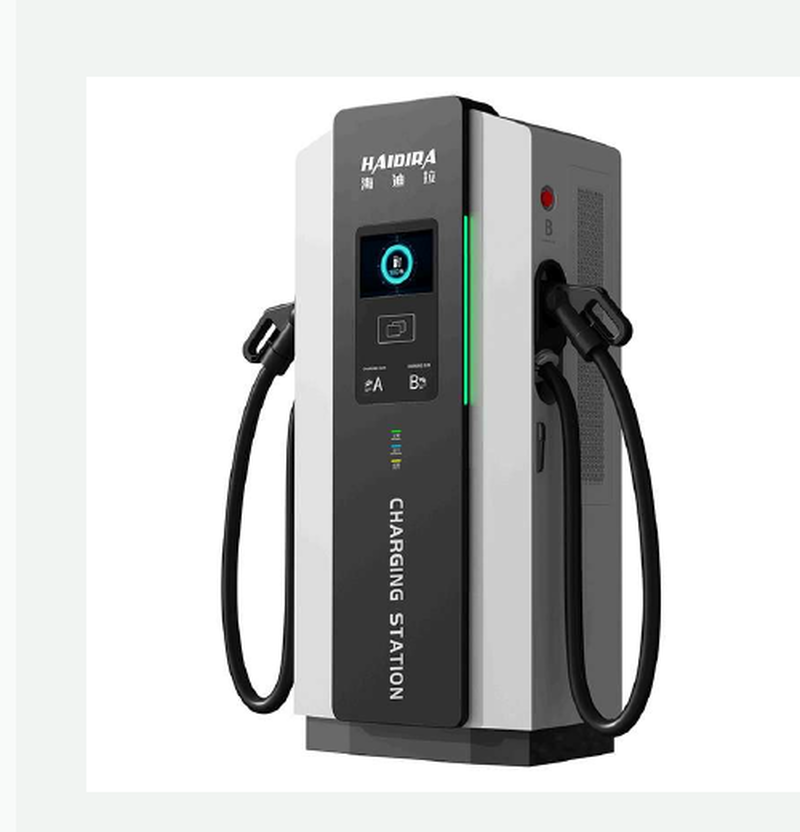
An EV charger is only one component of a working charging service. The business result depends on the vehicles that will use it, how long they park, the site’s electrical capacity, the tariff, connector compatibility, uptime and the person responsible when something fails.
That is why a 40 kW charger in the right location can be more valuable than a larger unit with low utilisation or an inadequate connection. Start with the operating requirement, then choose the hardware.
Answer these questions before requesting prices
• Which vehicles will charge, and what AC and DC connectors can each one use?
• How many kilowatt-hours must each vehicle receive before its next departure?
• How long will vehicles normally remain parked?
• What load is already present at the site, and what capacity is available?
• Is the site private, fleet-only, employee, customer or public-access?
• Who will monitor sessions, payments, faults and preventive maintenance?
Use energy and dwell time to size the charger
Power is measured in kilowatts; delivered energy is measured in kilowatt-hours. A fleet that needs 200 kWh overnight has a different design problem from a public site that must add meaningful range during a 30-minute stop. Estimate daily energy first, then divide it across the available parking window and vehicles.
The vehicle also limits charging speed. A charger advertised at 120 kW cannot force a car to accept 120 kW, and charging power commonly changes as the battery fills. For AC charging, the vehicle’s onboard charger is another limit. Obtain written compatibility for each intended model.
Check the electrical connection early
Ask a qualified electrical professional to assess the supply, transformer or distribution equipment, earthing, protection, cable routes and realistic coincident load. Kenya Power’s published connection categories place applications below 25 kVA in its standard category, 25–999 kVA in premium, and above 1,000 kVA in premium large. The project schedule and cost can change materially if an upgrade is required.
Load management can keep several connectors within a defined site limit and allocate power by departure priority. It is often more valuable than simply specifying the maximum output on every charger.
Understand Kenya’s tariff and regulatory framework
Kenya Power said in June 2026 that the e-mobility tariff charges KSh 16 per unit during peak hours and KSh 8 per unit during off-peak hours. Confirm eligibility, metering, time bands and the complete bill for the actual connection. A financial model should include taxes, levies, demand-related charges where applicable, losses and any network or software fees.
EPRA’s Electric Vehicle Charging and Battery Swapping Infrastructure Guidelines apply to public and private charging and swapping stations. They address siting, installation, safety, documentation, operation and accessibility. Among other requirements, completed installations should carry commissioning documentation, as-built drawings, warranties and operating manuals.
The same guidance calls for appropriate testing, certification and trained personnel. A commercial buyer should ask who designed the installation, who signs the completion documents and who will maintain it after handover.
Private depot or public charging business?
A private depot can optimise around known vehicles and departure times. Its value comes from fleet readiness and controlled energy cost. A public site must also solve visibility, access hours, payment, customer support, bay enforcement and uncertain utilisation.
For a public charging investment, test the business case at conservative session volumes. Separate revenue from electricity resale, parking, retail footfall or fleet contracts. Include downtime, payment fees, maintenance, connectivity and the cost of keeping bays available.
A procurement checklist for decision-makers
• Vehicle and connector compatibility confirmed in writing.
• Site survey, single-line design, protection and earthing scope.
• Maximum site load and load-management behaviour.
• Metering accuracy, user authentication, reporting and payment requirements.
• Outdoor protection, cable management, impact protection and signage.
• Warranty, spare parts, response times, remote support and preventive maintenance.
• Commissioning tests, as-built drawings, manuals and staff training.
How to stage the investment
Design the site so capacity can grow, but install the first phase around credible demand. Conduits, space, switchgear strategy and software can support expansion without purchasing every charger on day one. Track energy delivered, peak load, successful sessions, faults, queueing and utilisation by time of day.
SafiVolt lists 40 kW, 60 kW, 80 kW and 120 kW DC charging options. The correct unit depends on the vehicles, site and duty cycle. Share those details before asking for a recommendation or installation quote.
Continue your research
Compare SafiVolt DC fast chargersRead the complete EV charging guideSee what Kenya Power’s FY2026 results mean for chargingRequest a charging-site consultationCLEAR ANSWERS
Frequently asked questions
How much does an EV charging station cost in Kenya?
The finished cost includes the charger, freight, taxes, civil and electrical works, protection, metering, connectivity, commissioning and any connection upgrade. SafiVolt’s hardware guide prices are a starting point; a site survey is needed for a complete project quote.
What size EV charger does a business need?
Size it from the vehicles’ compatible charging rates, daily energy requirement, dwell time and available site capacity. Higher power is useful only when the operating schedule and vehicles can use it.
What is Kenya Power’s e-mobility tariff?
Kenya Power’s June 2026 announcement states KSh 16 per unit during peak and KSh 8 per unit off-peak. Confirm the current tariff, eligibility, time bands and complete billed charges for the intended meter.
Can a company install an EV charger at its office or depot?
Yes, subject to the site, electrical capacity and applicable approvals and standards. Use a qualified installer and obtain commissioning documents, warranties, drawings and operating instructions.
Sources and further reading
Facts and context were checked against the linked sources on 29 September 2026. Figures can change as new disclosures and tariffs are published.