
Kenya Power’s latest full-year results show a grid carrying much more demand. The company sold 12,777 GWh of electricity in the year ended 30 June 2026, up from 11,403 GWh a year earlier, and connected 411,710 new customers. For an electric-car owner, the important question is not whether the grid wants new demand. It is when that demand arrives.
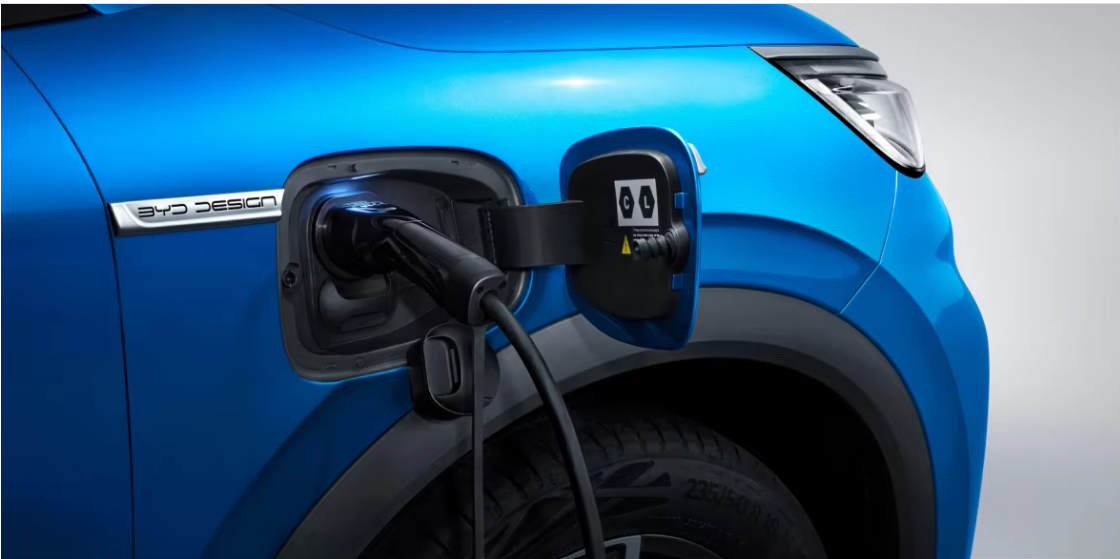
Charging an EV is a flexible electrical load. A household car may remain parked for eight or more hours even though it needs only part of that time to recharge. A fleet may have several vehicles standing overnight. Moving that load away from the evening peak can lower the applicable energy charge under the e-mobility tariff and reduce pressure on the system when demand is highest.
What Kenya Power reported for FY2026
Kenya Power’s official results release, published on 18 September 2026, gives a clear picture of rising sales and improving network performance. The main figures were:
• Electricity sold: 12,777 GWh, up 12.05% from 11,403 GWh.
• Electricity revenue: KSh 238.24 billion, up by KSh 18.96 billion.
• Profit after tax: KSh 24.99 billion, up 2.13% from KSh 24.47 billion.
• Distribution and transmission efficiency: 81.42%, up from 78.79%.
• New customer connections: 411,710 during the financial year.
• Total dividend: KSh 1.50 per share.
These are company-wide results, not an EV forecast. The release does not make a specific recommendation for electric-car charging. It does, however, show that electricity consumption is growing quickly across customer categories and that Kenya Power is investing in efficiency, revenue protection and its financial position.
Where the negative reserve-margin figure comes from
Reserve margin is the spare generation capacity available above peak electricity demand. A positive margin provides a cushion if demand rises unexpectedly or a generator becomes unavailable. Business Daily reported on 24 September that Kenya’s reserve margin tightened to approximately negative 1.5% in the 12 months to June 2026 as system peak demand rose 8.6%, from 2,316 MW to 2,514 MW.
That reserve-margin figure is not stated in Kenya Power’s short FY2026 results release. It comes from Business Daily’s report, which attributes the figure to Kenya Power’s FY2026 disclosures. The distinction matters: the audited performance figures and the reported system-capacity figure are related, but they come from different documents.
A negative reserve margin does not mean every EV charge will cause a blackout, and it does not support a claim that Kenya cannot electrify transport. It means the system has little or no spare cushion at peak, making the timing and management of flexible demand more important.
Why the charging hour matters more now
An EV plugged in immediately after the evening commute can add demand at the same time as lighting, cooking, water heating and commercial activity. The same vehicle charged later, while it is already parked, shifts that demand into a quieter period. The driver receives the same usable energy; the grid sees it at a less congested hour.
Kenya Power’s dedicated e-mobility tariff reinforces that behaviour. Its June 2026 customer-transition announcement states an energy charge of KSh 16 per unit during peak hours and KSh 8 per unit during off-peak hours. Those are energy rates rather than a complete bill: pass-through adjustments, taxes, levies and any other applicable charges still affect the final amount paid.
Tariff windows and eligibility should be confirmed with Kenya Power for the actual meter and account. A buyer should not assume that every domestic connection is automatically billed on the e-mobility tariff or that a charger installation alone changes the tariff.
What EV owners should do at home
The most useful home-charging feature is scheduling. Many modern electric cars can delay charging from the vehicle’s own screen or mobile app. Some wall chargers can also start and stop on a schedule. Either method can work; the goal is a reliable routine that does not depend on remembering to unplug and reconnect the car every night.
• Check whether the car can set a charging start time and target charge level.
• If the car cannot schedule, choose a compatible charger with a secure timer or smart-control function.
• Ask Kenya Power which tariff and time bands apply to the intended meter, in writing.
• Have the circuit, earthing, protective devices and available electrical capacity assessed by a qualified installer.
• Keep enough charge for the next journey; shifting load should not compromise practical transport needs.
A larger charger is not automatically a better charger. The vehicle’s onboard AC limit, the property’s available supply and the overnight parking window determine the useful power level. If a car has all night to recover the energy used during an ordinary commute, a correctly designed moderate-power installation may be sufficient.
What fleets and depots should change
For a fleet, charging time belongs in the operating plan before chargers are ordered. Vehicle arrival times, required departure state of charge, shift patterns, route energy and the site’s maximum electrical load should be modelled together. Installing several chargers without a load-management plan can create a costly connection requirement and concentrate demand in the wrong hours.
Kenya Power classifies new and additional-load applications by capacity: below 25 kVA is standard, 25–999 kVA is premium, and above 1,000 kVA is premium large. A depot should establish its realistic coincident load before applying. Smart load management can share available power between vehicles and prioritise those that must leave first.
The tariff difference also compounds across a fleet. Charging one vehicle at the wrong time may be a small operational mistake; repeating it across many vehicles every day becomes a material cost and capacity decision. Procurement should therefore specify scheduling, load management, metering and reporting alongside connector type and charger power.
What the results do not prove
Kenya Power’s results do not provide a universal cost per kilometre for electric cars. That figure depends on the vehicle’s measured energy use, the route, charging losses, tariff, taxes and the share of energy bought at peak or off-peak. A laboratory consumption figure multiplied by one tariff line is not a complete Kenyan running-cost result.
SafiVolt will publish model-specific cost-per-100-kilometre figures when they can be tied to a real vehicle, a real Kenyan route, metered charging energy and a dated tariff. Until then, the defensible advice is operational: measure energy, schedule charging and compare the complete electricity bill rather than relying on a promotional estimate.
The practical takeaway
Kenya Power sold considerably more electricity in FY2026, while the reported reserve margin shows that peak capacity is tight. EV charging is unusually well suited to this situation because much of it can be moved in time without changing the journey.
If you own an EV, set a deliberate charging window. If you operate a fleet, make that window part of the depot specification. That single decision is useful under today’s tariff, reduces exposure to the busiest grid hours and remains valuable as Kenya’s electricity system and electric-vehicle market grow.
Continue your research
Explore SafiVolt EV charging solutionsRead the complete EV charging guide for KenyaCompare electric cars available in KenyaPlan a vehicle and charging setup with SafiVoltSources and further reading
Facts and context were checked against the linked sources on 25 September 2026. Figures can change as new disclosures and tariffs are published.