
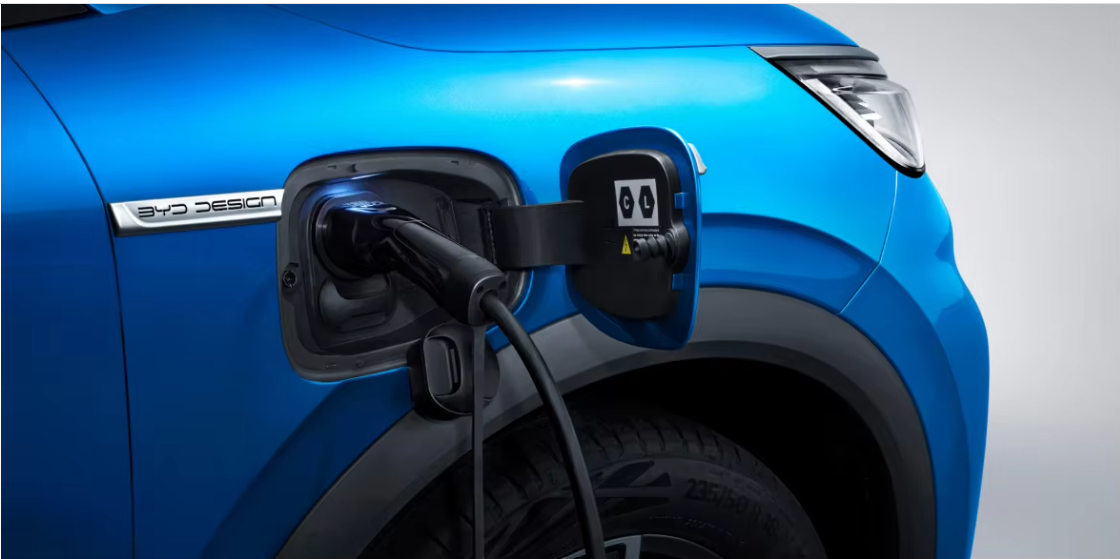
For a CEO or fleet director, an electric-car decision is a capital-allocation decision. The right question is not whether an EV is fashionable or whether petrol is expensive this month. It is whether a defined group of vehicles can deliver the required journeys at a lower risk-adjusted cost while meeting service, safety and uptime targets.
Kenya’s market now includes compact cars, SUVs, vans, pickups and premium EVs. That choice is useful, but it makes disciplined procurement more important. A model should be selected around the route, payload, charging window and support plan—not around one headline range figure.
The executive decision in one page
• Electrify the routes with predictable daily distance and reliable parking first.
• Compare total cost per vehicle and per kilometre over the intended holding period.
• Treat charging infrastructure, electrical capacity and vehicle procurement as one project.
• Put battery, parts, diagnostics and warranty responsibilities in writing.
• Run a pilot with measured energy, uptime and driver feedback before scaling.
Build a Kenyan EV total-cost model
A useful total-cost-of-ownership model includes the delivered vehicle price, financing, insurance, registration, charging hardware, electrical works, energy, scheduled maintenance, tyres, repairs, downtime and expected resale value. Use the same holding period and financing assumptions for the electric and combustion vehicles. Otherwise the comparison will favour whichever option receives the more convenient assumptions.
Energy cost should come from measured or defensible consumption in kilowatt-hours per 100 kilometres, adjusted for charging losses, then multiplied by the tariff that will actually apply. Kenya Power’s e-mobility tariff announcement states KSh 16 per unit during peak hours and KSh 8 per unit during off-peak hours. Those are energy charges, not a complete bill; taxes, levies, pass-through adjustments and other applicable charges still matter.
Do not base the business case on a brochure range. Air conditioning, speed, traffic, hills, passengers and payload affect consumption. A short pilot produces far better planning inputs: kilometres driven, energy delivered by the charger, time connected, maintenance events and days unavailable.
Choose routes before choosing cars
Start with vehicles that return to a known location and have enough parking time to recover the energy used. Sales representatives with predictable urban routes, staff shuttles, service vehicles and local delivery routes can be easier starting points than cars that make irregular cross-country journeys.
For each route, document the ordinary day, the busiest day and the longest recurring trip. Add a reserve for detours and operational change. Then check cabin space, luggage or payload, ground clearance, connector type, AC charging rate and DC capability. The model with the biggest battery is not automatically the best business asset.
Make charging part of fleet operations
A fleet does not need every vehicle to charge at maximum power at the same time. It needs each vehicle ready for its next departure. Smart load management can share available power and prioritise vehicles by departure time, reducing the chance that charger nameplate ratings drive an unnecessarily large connection upgrade.
Kenya Power classifies new and additional-load applications by required capacity. Its published connection guidance separates standard applications below 25 kVA, premium applications from 25 to 999 kVA, and premium-large applications above 1,000 kVA. Establish the realistic coincident load with a qualified electrical professional before applying or buying chargers.
Control procurement and import risk
Ask for an itemised delivered quotation tied to the exact model and variant. It should state the drive side, model year, battery, charging ports, supplied cable, warranty, freight, taxes, clearance, registration scope and handover point. KRA advises importers to confirm tariff classification and applicable tax treatment, and from 1 September 2026 requires specified export documentation to be obtained and retained.
For a used EV, add battery diagnostics, charging tests, accident and service history, underbody inspection and market-specific software checks. For a new EV, verify who will diagnose faults, stock routine parts and administer warranty claims in Kenya.
A practical 90-day pilot
• Select one or two routes with stable duty cycles and named operational owners.
• Record a combustion-vehicle baseline: kilometres, fuel, service, downtime and route completion.
• Install metered charging with safe protection and a documented operating procedure.
• Track charger energy, vehicle energy use, availability, driver feedback and exceptions weekly.
• Approve scale-up only after finance and operations agree on measured assumptions.
The board-level output should be simple: cost per kilometre, cost per operating day, route completion, uptime, charging utilisation, safety events and projected payback under conservative assumptions. If the pilot does not meet the threshold, improve the route, charger plan or vehicle choice before ordering more units.
What SafiVolt can help you specify
SafiVolt can help a business shortlist electric cars, compare new and used options, define the charging requirement and request a vehicle-specific delivered quotation. Bring the real route data, parking windows and passenger or payload requirements. Those inputs make the procurement decision more reliable than a generic recommendation.
Continue your research
Compare electric cars available from SafiVoltRead Kenya’s EV charging guideReview current electric car prices in KenyaPlan a fleet and charging pilotCLEAR ANSWERS
Frequently asked questions
Are electric company cars cheaper to run in Kenya?
They can be on suitable routes, but the result depends on the vehicle, electricity tariff, charging losses, annual distance, finance, maintenance, downtime and resale. Build the comparison from measured route and charging data rather than a generic fuel-saving percentage.
How many EVs should a company buy for its first pilot?
Enough to test a representative route without creating a large irreversible commitment. One to several vehicles can be sufficient when the pilot has a combustion baseline, dedicated drivers, metered charging and clear success criteria.
Does a fleet need DC fast charging?
Not always. Vehicles parked for long periods may meet their schedules with managed AC charging. DC charging is valuable when short turnaround times require it, but it adds equipment and electrical-capacity considerations.
What is the biggest EV fleet procurement risk?
Buying vehicles before confirming route fit, charging capacity and after-sales responsibility. Treat the vehicle, site, tariff, support and operating plan as one investment decision.
Sources and further reading
Facts and context were checked against the linked sources on 29 September 2026. Figures can change as new disclosures and tariffs are published.