

In this guide
A battery can make a used EV attractive or make a low advertised price difficult to justify. Ask what energy the actual car can use, whether that covers your normal route and who takes responsibility if a fault appears. Those answers are more useful than a seller promising that all EV batteries last the same number of years.
How long does an electric car battery last?
The US Department of Energy's maintenance guidance describes EV batteries as designed for extended service but subject to wear. It also notes that manufacturers generally do not publish replacement prices. A warranty period is a contractual coverage period; it is not a scheduled date for replacing every battery.
Judge a particular car by its evidence. Record first use, mileage, battery identity, service and repair history, charging behaviour and any manufacturer campaigns or software work. For a used import, ask for this before approving shipment. Finding a problem after handover leaves fewer choices about inspection, price or which unit to buy.
Your route can also change what you need from the battery. A household returning to dependable charging after a short Nairobi commute has a different requirement from a business making irregular loaded journeys. Choose enough usable energy and a suitable charging plan for the work, then compare the purchase price and support terms.
Full charge, battery health and driving range are different
The Australian Government's used-EV buying guidance recommends a battery-health report and explains state of health as a comparison with the battery's original condition and performance. Ask for the method and findings for the actual car.
| Item | What it helps establish | What to ask for |
|---|---|---|
| Charge percentage | How charged the battery is at that moment | Do not accept a 100% display as the battery-health report. |
| Battery-health report | Condition under the stated diagnostic method | VIN, date, mileage, test method, findings and the examiner's explanation. |
| Usable energy and route check | Whether the vehicle can do the planned work | Battery specification, measured conditions and an arrival reserve. |
| Charging test | Whether the car charges through its supported systems | Actual connection, equipment used, conditions, results and any fault codes. |
| Condition inspection | Damage and history that may change the decision | Underbody and pack-enclosure inspection by a competent EV professional. |
A percentage needs context. Ask whether the report is an onboard estimate, a scan-tool reading or an independent assessment, and what it can and cannot establish. Compare it with the service record and charging test. A clean screenshot alone should not replace an explanation of the actual unit's condition.
What does EV battery replacement cost in Kenya?
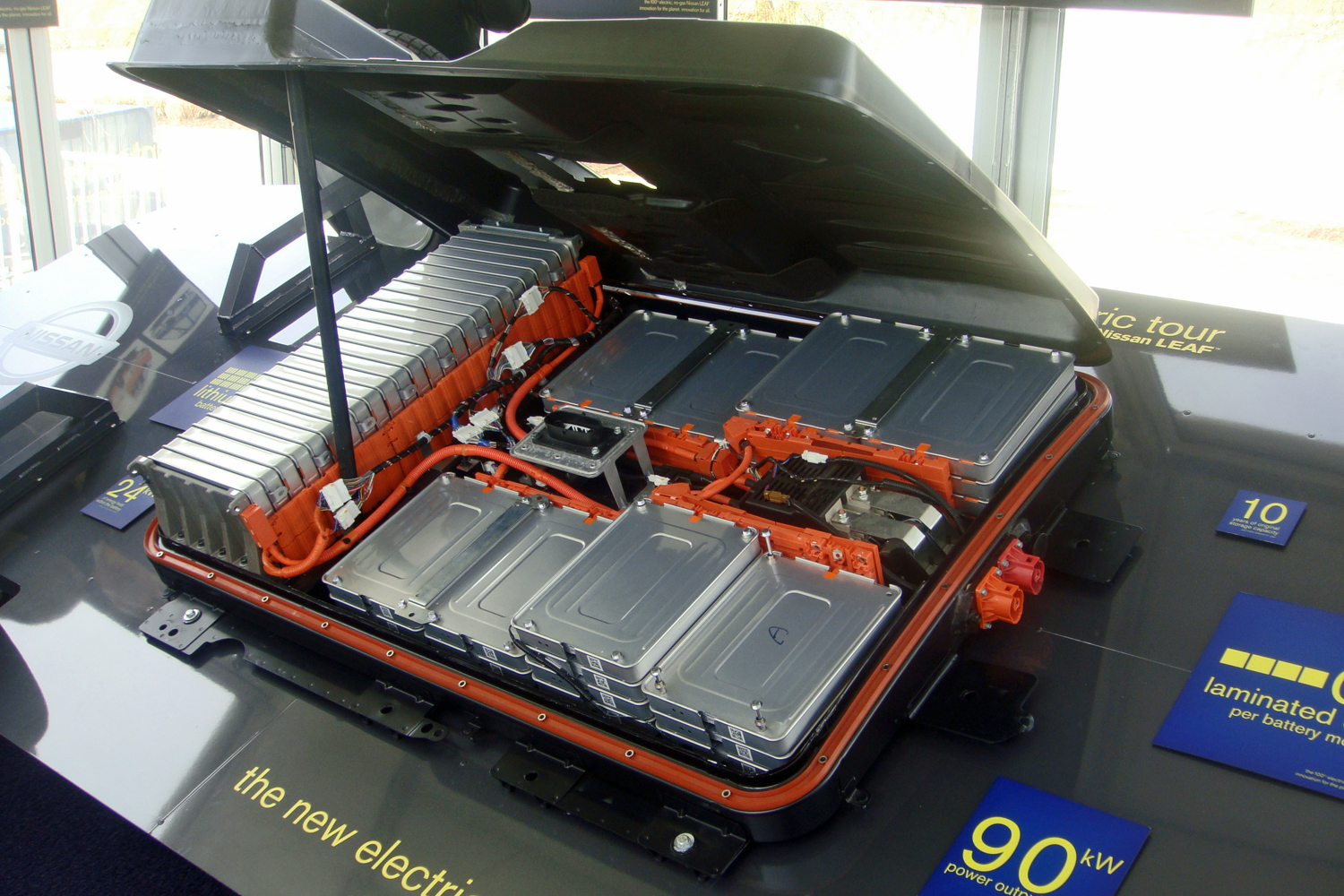
A useful KSh price names the exact work and vehicle. Replacing a small auxiliary battery, repairing a diagnosed component and supplying a complete traction pack are different jobs. Before comparing quotations, ask the examiner to identify the fault, explain the permitted repair options and state the part numbers and compatibility checks.
SafiVolt does not publish a universal traction-battery replacement tariff. A car's advertised purchase price does not provide one. Obtain a written repair or replacement quotation for the exact unit; do not multiply a generic price per kWh by the brochure battery capacity and treat the result as a Kenyan installed price.
| Cost component | What the written quotation should identify |
|---|---|
| Diagnosis | Tests included, report supplied and whether the charge is credited against approved work. |
| Repair or replacement part | Exact compatible part, new or used/remanufactured condition, and what is excluded. |
| Transport and import | Compliant transport, insurance, applicable customs charges, clearing and destination delivery. |
| Workshop work | Labour, required associated materials, programming or configuration, and commissioning tests. |
| Old battery | Ownership, any exchange credit or return requirement, and responsible handling arrangements. |
| Warranty and time | Named claim recipient, coverage, exclusions, expected timing and responsibility for transport during a fault. |
Ask for a fixed scope or a clear approval limit before work begins. Where a quote is conditional on inspection, establish who authorises additional work and what happens if the repair is declined. Compare the complete installed cost and the time without the vehicle, not a pack-only advertisement from another country.
Repair, replacement and warranty can lead to different outcomes
Whether a component-level repair is appropriate depends on the diagnosis, pack design, approved procedures and available parts. Obtain that decision from a qualified provider for the specific vehicle. Opening a traction battery is high-voltage work; this buying guide is not a repair procedure.
Warranty documents can distinguish defects from capacity loss and can specify repair or replacement remedies. For example, Nissan's US 2024 Leaf warranty booklet describes separate defect and capacity provisions and allows specified repaired or reconditioned outcomes. This is an illustration of why terms matter, not coverage offered for a Leaf imported to Kenya.
Request the warranty document that applies to your VIN, seller and destination. Confirm when coverage started, the time and distance limits, any capacity threshold and required test method, service obligations and exclusions. Ask who in Kenya approves a claim and whether diagnostics, labour and moving the car are covered.
Do overseas and Kenyan BYD battery warranties mean the same thing?
In the CFAO Kenya campaign checked for this guide, the distributor advertises an eight-year or 200,000 km battery warranty and a six-year or 150,000 km vehicle warranty for its campaign range. Ask for the full terms and the applicable limit. This is the distributor's advertised offer; it does not automatically cover an independently imported BYD or a SafiVolt order.
For a SafiVolt quotation, ask us to set out the proposed vehicle's warranty responsibility and available support terms in writing. Keep that answer with the specification and payment schedule. A lower purchase figure and a different support arrangement should be considered together when you choose between offers.
Look after the battery according to its own manual
The Australian Government's maintenance guide explains that charging recommendations differ by chemistry and battery-management system. Some vehicles recommend a limited routine charge window; others call for periodic charging to full. Use the instructions for your exact car rather than applying one internet rule to every battery.
Before ordering, make sure the charging equipment and available parked time suit that routine. Ask how the car should be stored during an extended absence and how software updates are handled. Keep charging and service records so that a future buyer or warranty assessor can understand the vehicle's history.
Put battery evidence into the purchase decision
For a used EV, compare the final handover price with any diagnosed work and a written support plan. For a new EV, compare the exact supplied battery and warranty arrangement. Include charging installation and a sensible contingency in your wider budget. An unknown potential bill is not a bill already due, but a known fault should be priced before you pay.
SafiVolt can help you build a shortlist around your daily distance, destination and purchase budget. Use our used-EV inspection checklist and servicing and spare-parts guide when deciding which evidence and written terms to request with your vehicle quote.
Continue your research
Battery and condition checks for a used electric carEV servicing and spare parts in KenyaPlan the range your route needsCompare SafiVolt electric carsCLEAR ANSWERS
Battery questions before buying an EV in Kenya
Do all EV batteries need replacing after eight years?
No universal eight-year replacement rule applies. Warranty duration describes coverage under its terms. Assess the actual battery, vehicle history and route requirements before deciding whether work is needed.
How much does an electric car battery cost to replace in Kenya?
Obtain a model-specific KSh quotation identifying the diagnosed work, exact compatible part, condition, transport and import costs, labour, testing and warranty. SafiVolt does not publish one replacement price for all EV batteries.
Does a full-charge display prove the battery is healthy?
No. Request a dated battery-health report tied to the VIN, with the diagnostic method and findings explained. Review it alongside the service history, condition inspection and actual charging checks.
Does an overseas BYD warranty cover a SafiVolt import?
Do not assume that it does. Ask for the terms applicable to the specific vehicle, seller and destination, including the person or organisation responsible for accepting and approving a claim in Kenya.
Can a battery be repaired instead of completely replaced?
That depends on the diagnosed fault, battery design, approved procedures and available parts. Ask a qualified provider for the permitted options, expected outcome, complete price and warranty before authorising work.
What should I send SafiVolt when comparing EV batteries?
Send the vehicle or listing, model year, known battery specification, destination, budget, daily distance and charging access. Request the vehicle quotation, available battery evidence and written warranty responsibility together.
Sources and further reading
Last editorial review: 13 November 2026. The sources below support this guide. Prices, policy and tariffs can change; confirm the current terms before ordering.
- US Department of Energy: EV maintenance, battery life and replacement-price context
- Australian Government: used-EV battery-health and purchase checks
- Australian Government: model-specific battery charging and maintenance
- Nissan: US 2024 Leaf warranty terms, foreign-market illustration only
- CFAO Kenya: advertised BYD campaign warranty, separate distributor offer
- PCC Car: overseas RD6 supplier image material