
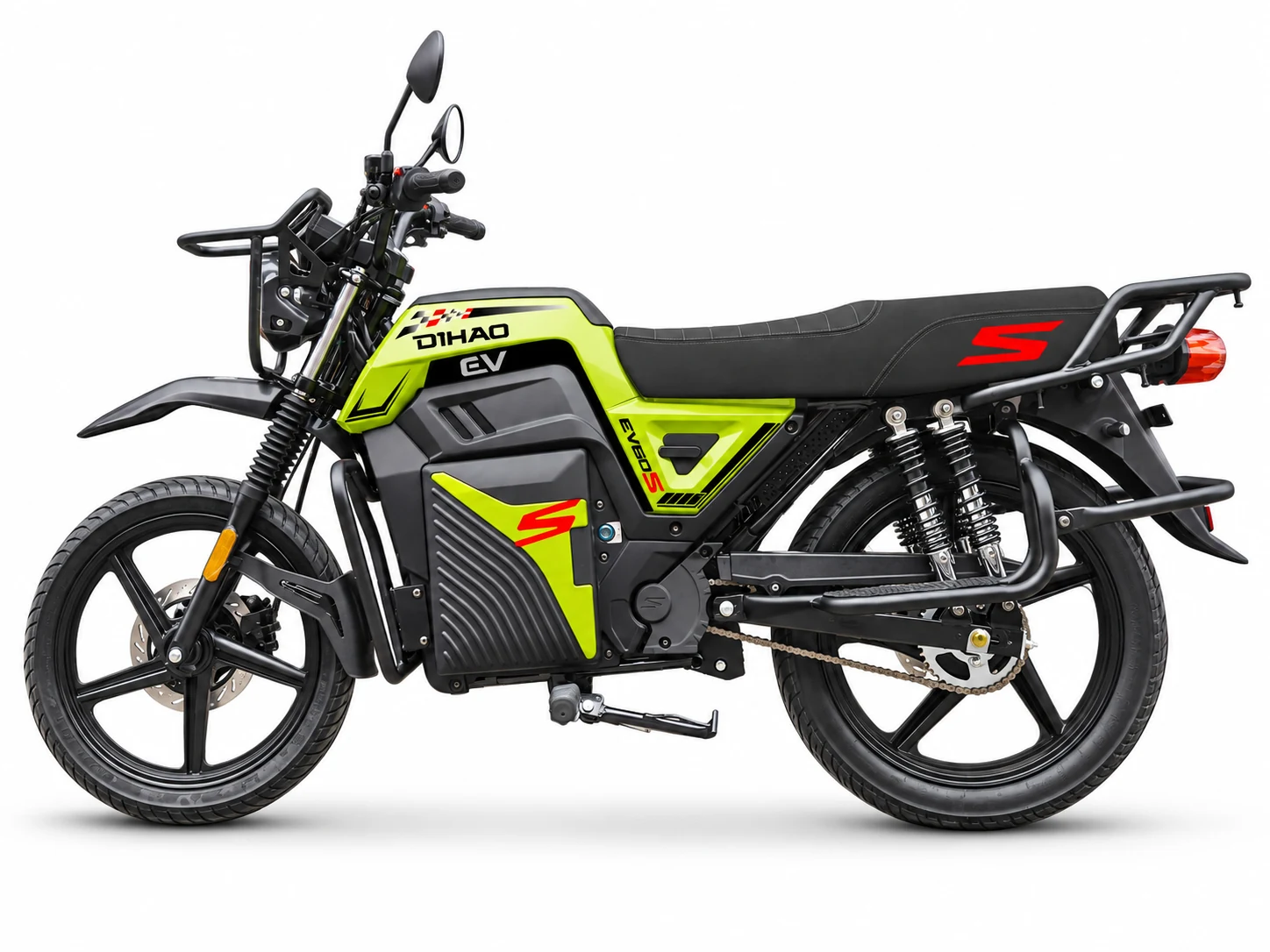
Electric motorcycles can serve deliveries, field teams, security patrols, estates, campuses and passenger transport. Their commercial advantage is not simply that electricity can cost less than fuel. It comes from a complete system: route-fit vehicles, safe batteries, dependable charging or swapping, trained riders and maintenance support.
The broader Kenyan two- and three-wheeler category grew sharply in 2025. KNBS reports that newly registered motorcycles, autocycles and three-wheelers reached 252,241 units. That does not identify the electric share, but it shows why even a modest shift toward electric powertrains can matter to operators and fleet owners.
Start with the job the motorcycle must perform
• Daily and peak kilometres, including deadhead travel.
• Rider, passenger or cargo load and required carrying equipment.
• Road surface, gradients, water exposure and typical traffic speed.
• Time available for charging or battery swapping between shifts.
• Secure parking, battery storage and access to service support.
Use a representative loaded route for testing. A range figure recorded with one rider at low steady speed is useful technical context, but it is not a promise for a delivery bike with cargo, hills, traffic and repeated acceleration.
DIHAO EV60S and EV60-80: current SafiVolt options
SafiVolt lists the DIHAO EV60S at a guide price of KSh 250,000. Its published specification includes a 10 kW peak mid-mounted motor, 80 km/h maximum speed, a 60 Ah LiFePO4 battery, quick-release swapping and a 12-month warranty. The stated maximum range of 170 km was measured in E mode with a 75 kg solo rider at 35 km/h, so fleet planning should use a route test.
The DIHAO EV60-80 is listed at a KSh 215,000 guide price with a 6 kW peak motor, 80 km/h maximum speed, 60 Ah LiFePO4 battery and 12-month warranty. Its published maximum range is 180 km. Confirm the exact unit, accessories, charger, warranty and delivery scope before ordering.
The EV60S may suit buyers who prioritise stronger peak performance and quick-release swapping. The EV60-80 may suit cost-sensitive operations. The right result depends on payload, route and uptime rather than a single specification.
Charging or battery swapping?
Plug-in charging can be simple when motorcycles return to a depot and remain parked long enough. Swapping can reduce turnaround when vehicles operate across long shifts, but it introduces inventory, compatibility, traceability, battery-health and station-management requirements.
EPRA’s guidelines state that swappable batteries should use battery-management systems and traceability controls, and that swapping infrastructure should be tested and operated by appropriately trained personnel. KEBS has also required imported electric motorcycle and motor-vehicle batteries to undergo pre-export verification of conformity and carry the relevant certificate of conformity.
Build the fleet cost model
Compare purchase and finance, electricity, battery or swap fees, maintenance, tyres, insurance, permits, rider time, downtime and resale over the same period as the petrol alternative. Measure electricity at the charger because energy drawn from the wall includes losses that the dashboard may not show.
If a battery is leased or swapping is sold as a service, model the complete contract: usage limits, price changes, minimum payments, damaged-battery rules, availability, replacement standards and exit terms. A low motorcycle purchase price can be misleading if the energy-service commitment is not included.
Protect uptime and safety
• Require a pre-use inspection for tyres, brakes, lights, controls and visible battery damage.
• Train riders on regenerative braking behaviour, charging, water exposure and incident reporting.
• Keep chargers and batteries in secure, ventilated locations specified by the supplier.
• Define parts availability, diagnostic support and repair response times.
• Track failures, charge or swap events and unavailable hours by vehicle and battery.
Run a route-level pilot
Place a small number of motorcycles on a representative duty cycle for several weeks. Record kilometres, loads, trips completed, energy delivered, charge or swap time, maintenance, rider feedback and any service failures. Compare this with a petrol baseline using the same route and operating hours.
For management, the decision dashboard should show cost per kilometre, productive hours, route completion, energy per 100 kilometres, maintenance events and battery availability. Expand only when the data supports the business case and the charging or swapping system can scale with it.
How to request a fleet quotation
Send SafiVolt the route, daily distance, rider and payload, hills, surface, shift times, parking location and preferred charging or swapping approach. SafiVolt can then compare the DIHAO options and confirm the current specification and delivered scope.
Continue your research
View the DIHAO EV60SView the DIHAO EV60-80Compare SafiVolt electric motorcyclesRequest a motorcycle fleet quotationCLEAR ANSWERS
Frequently asked questions
How much is an electric motorcycle in Kenya?
SafiVolt’s current guide prices are KSh 215,000 for the DIHAO EV60-80 and KSh 250,000 for the DIHAO EV60S. Confirm availability, exact specification and delivery scope for the unit ordered.
Can an electric motorcycle work for delivery fleets?
Yes, when its representative loaded range, charging or swapping time, cargo setup and support meet the route. Pilot it on the actual duty cycle before scaling.
Is battery swapping better than plug-in charging?
Swapping can support high-utilisation shifts; plug-in charging can be simpler for depot fleets with enough parking time. Compare total contract cost, battery availability, safety, traceability and operational control.
What should a business check before buying electric bikes?
Check loaded route range, motor and braking performance, battery chemistry and warranty, charging or swap system, conformity documentation, parts, diagnostics, rider training and downtime support.
Sources and further reading
Facts and context were checked against the linked sources on 29 September 2026. Figures can change as new disclosures and tariffs are published.